 Genius Asian
 Honda Accord Front Brake Pads Replacement
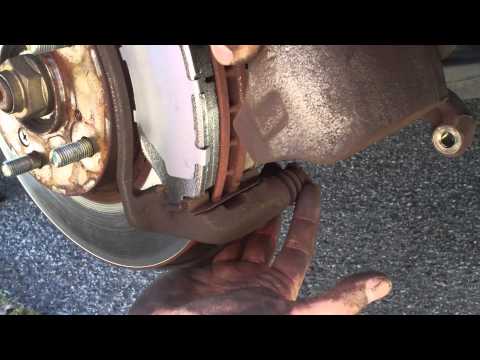
Honda Accord Front Brake Pads Replacement: Step-by-Step DIY Guide
Key Takeaways
- Replacing front brake pads on a Honda Accord is a manageable DIY job that saves significant money
- The process is similar across multiple Honda Accord model years
- Basic tools and about an hour of time are all you need
- Always pump the brake pedal after installation before driving
- Brake pad replacement is one of the most common and rewarding DIY car maintenance tasks
What This Video Shows
This video provides a complete walkthrough of replacing front brake pads on a Honda Accord. Brake pad replacement is one of the most accessible DIY car maintenance tasks, and this guide makes the process clear even for first-timers.
The Honda Accord is one of the most popular cars on the road, so this guide applies to a huge number of vehicles. While specific details may vary by model year, the fundamental process is consistent across the Accord lineup.
The Replacement Process
- Safely raise the car and remove the front wheel
- Inspect the current pads to confirm they need replacement
- Remove the caliper by removing the slide pin bolts
- Support the caliper so it does not hang by the brake line
- Remove the old pads from the caliper bracket
- Compress the caliper piston to make room for new, thicker pads
- Install the new pads in the caliper bracket with any included shims
- Reinstall the caliper and torque the bolts
- Reinstall the wheel and lower the car
- Pump the brake pedal several times before moving the car
When to Replace Brake Pads
Signs that your brake pads need replacement:
- Squealing or squeaking during braking (the wear indicator is contacting the rotor)
- Grinding sounds (the pad is completely worn and metal is contacting metal — replace immediately)
- Reduced braking performance (increased stopping distance)
- Visual inspection shows less than 3mm of pad material remaining
Cost Savings
Having a shop replace your brake pads typically costs $150-300 per axle including parts and labor. Doing it yourself, the pads cost $30-60 for a set, and the job takes about an hour. Over the life of a vehicle, DIY brake maintenance can save hundreds of dollars.
General Car Maintenance Philosophy
Every car maintenance task you learn to do yourself saves money and builds confidence. The key principles that apply across all DIY car work:
Safety First: Always use proper jack stands, work on a level surface, and wear appropriate eye protection. Never work under a car supported only by a jack. The few minutes spent on safety setup could save your life.
Right Tools Matter: Having the correct tools makes every job easier and reduces the risk of damaging components. A basic socket set, combination wrenches, a torque wrench, and a floor jack with stands handle the majority of home mechanic tasks.
Service Manual: A service manual for your specific vehicle provides torque specifications, fluid capacities, and step-by-step procedures written by the manufacturer. It is one of the best investments you can make as a DIY mechanic.
Keep Records: Track every maintenance task with the date, mileage, and what was done. This record helps you stay on schedule and adds value if you sell the vehicle.
Know Your Limits: Some jobs require specialized tools or expertise. There is no shame in taking a job to a professional when it exceeds your skills or equipment. The goal is not to do everything yourself — it is to do what makes sense yourself.
For related brake and Honda Accord maintenance, see our guide on bleeding brake fluid, Toyota Camry brake pad replacement, or Dodge Caravan front brake pads.