 Genius Asian
 How to Replace Toyota Camry Front Brake Pad
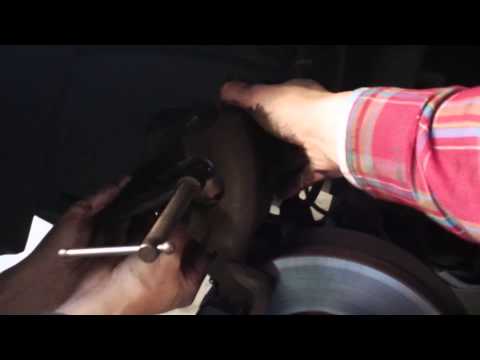
How to Replace Toyota Camry Front Brake Pads: A Quick DIY Guide
Key Takeaways
- Replacing front brake pads on a Toyota Camry 2002 is a quick, straightforward DIY job
- The built-in brake wear indicator creates a squealing sound when pads need replacement
- One surprise in this particular job: the expected metal wear indicator clip was missing
- Always pump the brake pedal several times after installation before driving
- The process is similar across many Toyota Camry model years
What This Video Shows
Brake pad replacement is one of the most common and accessible DIY car maintenance tasks. This video walks through the complete process on a 2002 Toyota Camry, demonstrating that even if you have limited mechanical experience, you can save significant money by doing this job yourself.
The video includes one unexpected finding: the metal wear indicator clip that should have been present on the old brake pads was missing. This is the small metal tab designed to contact the rotor and create a squealing sound when the pads wear thin — essentially a built-in alarm system telling you it is time for new pads.
How Brake Wear Indicators Work
Most quality brake pads include a small metal tab positioned to make contact with the brake rotor once the pad material wears down to a certain thickness. When this tab touches the spinning rotor, it creates a high-pitched squealing sound that is difficult to ignore.
This is your signal to replace the pads. If you hear consistent squealing when braking (not just occasional squeaks from moisture or dust), inspect your brake pads immediately.
The Replacement Process
- Safely lift the car and remove the front wheel
- Locate the brake caliper mounted over the brake rotor
- Remove the caliper bolts (usually two bolts on the back of the caliper)
- Slide the caliper off the rotor — support it with a wire or bungee cord so it does not hang by the brake hose
- Remove the old pads from the caliper bracket
- Compress the caliper piston using a C-clamp or brake piston tool to make room for the thicker new pads
- Install the new pads in the caliper bracket
- Reinstall the caliper and torque the bolts to specification
- Reinstall the wheel and lower the car
- Pump the brake pedal several times before moving the car to build up pressure
Critical Safety Reminder
The video emphasizes one crucial step that beginners sometimes forget: before you drive anywhere, pump the brake pedal several times until it builds up normal resistance pressure. After compressing the caliper piston, there will be a gap between the pad and the rotor. The first few pedal pumps close this gap. If you skip this step and try to drive, you will have no braking power on the first press of the pedal.
General Car Maintenance Philosophy
Every car maintenance task you learn to do yourself saves money and builds confidence. The key principles that apply across all DIY car work:
Safety First: Always use proper jack stands, work on a level surface, and wear appropriate eye protection. Never work under a car supported only by a jack. The few minutes spent on safety setup could save your life.
Right Tools Matter: Having the correct tools makes every job easier and reduces the risk of damaging components. A basic socket set, combination wrenches, a torque wrench, and a floor jack with stands handle the majority of home mechanic tasks.
Service Manual: A service manual for your specific vehicle provides torque specifications, fluid capacities, and step-by-step procedures written by the manufacturer. It is one of the best investments you can make as a DIY mechanic.
Keep Records: Track every maintenance task with the date, mileage, and what was done. This record helps you stay on schedule and adds value if you sell the vehicle.
Know Your Limits: Some jobs require specialized tools or expertise. There is no shame in taking a job to a professional when it exceeds your skills or equipment. The goal is not to do everything yourself — it is to do what makes sense yourself.
For related brake work, see our guides on Honda Accord brake fluid bleeding, Dodge Caravan front brake pad replacement, and Honda Accord front brake pad replacement.