 Genius Asian
 Tai Chi Push Hands Basic Training, Part 4
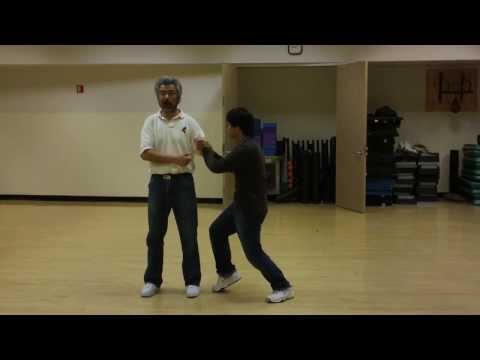
Tai Chi Push Hands Basic Training Part 4: Continued Partner Corrections
Key Takeaways
- Part 4 continues the partner practice sessions with Master Byron Zhang making real-time corrections
- Different students exhibit different patterns of mistakes, showing that correction is always individualized
- Watching multiple students receive corrections helps you identify issues you might not notice in your own practice
- The Peng Lu Ji An drill becomes richer with each partner session as subtleties emerge
- Progress in push hands is measured in feel and sensitivity, not in visible technique changes
What This Video Shows
Master Byron Zhang continues the hands-on partner training introduced in Part 3. More students are working through the Peng Lu Ji An pattern together, and Master Byron circulates among them, making corrections that reveal deeper layers of the practice.
What becomes clear in this installment is that every student struggles differently. One person might have great root but stiff arms. Another might move fluidly but lose their center under pressure. Master Byron tailors each correction to the individual, which is one of the hallmarks of traditional Tai Chi instruction.
Deepening the Partner Practice
By Part 4, students have had enough repetitions to move past the initial awkwardness. The movements start to feel more natural, but new challenges emerge. As the mechanical pattern becomes more comfortable, students begin to notice subtleties they missed earlier:
- The quality of contact between forearms matters more than the position of the hands
- Small adjustments in foot placement dramatically change the stability of the stance
- The timing of weight shifts determines whether a technique succeeds or fails
- Breathing should synchronize with the energy cycle naturally, not be forced
These are the refinements that separate a beginner who knows the pattern from a practitioner who understands the principles.
Learning By Watching Others
One of the best things about these training videos is the opportunity to observe multiple students receiving instruction. In a typical class, you are focused on your own practice and might miss what the teacher says to someone else. Here, you can watch every correction and apply it to your own understanding.
Pay particular attention to:
- What Master Byron adjusts physically versus what he explains verbally
- How students respond differently to the same correction
- Which mistakes get corrected repeatedly, indicating they are deeply habitual
- The subtle differences between a corrected movement and the original
Building a Consistent Practice
Four parts into this series, the importance of consistency becomes clear. Push hands skill does not come from occasional marathon sessions. It comes from regular, focused practice. Even 10-15 minutes of daily Peng Lu Ji An drilling — solo or with a partner — will produce noticeable improvement over weeks and months.
Building a Sustainable Practice
The journey of Tai Chi development is measured in months and years, not days and weeks. Here are principles that will serve you well regardless of where you are in your practice:
Consistency Over Intensity: Ten minutes of daily practice produces better results than a three-hour session once a week. Your nervous system needs regular input to build the pathways that make push hands and form work effective. Treat your practice like brushing your teeth — something you simply do every day, not something you negotiate with yourself about.
Quality Over Quantity: Slow, mindful repetitions with full attention are worth more than hundreds of distracted repetitions. When you practice, be present. Feel each weight shift, notice each point of tension, and consciously release what does not serve the movement.
Patience With Plateaus: Everyone hits periods where improvement seems to stall. These plateaus are not signs of failure — they are periods of integration where your nervous system is consolidating what it has learned. Continue practicing through plateaus and breakthroughs will come.
Community and Sharing: Tai Chi was traditionally learned in community, and that model remains the most effective. Practice with different partners, discuss your experiences, and share what you discover. The more perspectives you encounter, the richer your understanding becomes.
For the next part in this series, continue to Part 5. To review the foundational concepts, revisit Part 1 or the solo practice methods in Part 2.